Brick vs. Stone Tuckpointing: Key Differences for Commercial Projects
People searching for brick vs. stone tuckpointing: key differences for commercial projects are typically aiming to restore or enhance masonry appearance and durability, and local service providers can help determine the best approach and perform expert repairs.
If you're exploring options for tuckpointing on commercial properties, understanding the differences between brick and stone tuckpointing can be essential for making informed decisions. Property owners in the area may find this topic particularly relevant when considering repairs or upgrades to historic facades, masonry walls, or decorative features. Knowing how each material responds to weather, wear, and aesthetic goals helps ensure that the right service provider can recommend the most suitable approach for your specific project.
Local contractors specializing in tuckpointing services are well-versed in the nuances of working with both brick and stone. They can assess your property's unique needs and advise on the best techniques to preserve structural integrity and visual appeal. Keep reading to learn more about the key differences between brick and stone tuckpointing, and discover how experienced service providers can help achieve durable, attractive results for your commercial property.
- Commercial brick buildings - when restoring or repairing brick facades, local contractors use specialized tuckpointing techniques suited for brick masonry.
- Stone commercial structures - for historic or decorative stonework, local pros apply precise tuckpointing methods to preserve the stone’s integrity and appearance.
- Mixed-material projects - when a project involves both brick and stone elements, local service providers tailor their approach to address the unique needs of each material.
- Facade restoration for historic properties - experts focus on matching the original tuckpointing style to maintain authenticity in brick and stone exteriors.
- Commercial masonry repair - for ongoing maintenance or damage repair, local contractors assess whether brick or stone tuckpointing best restores structural stability and aesthetic appeal.
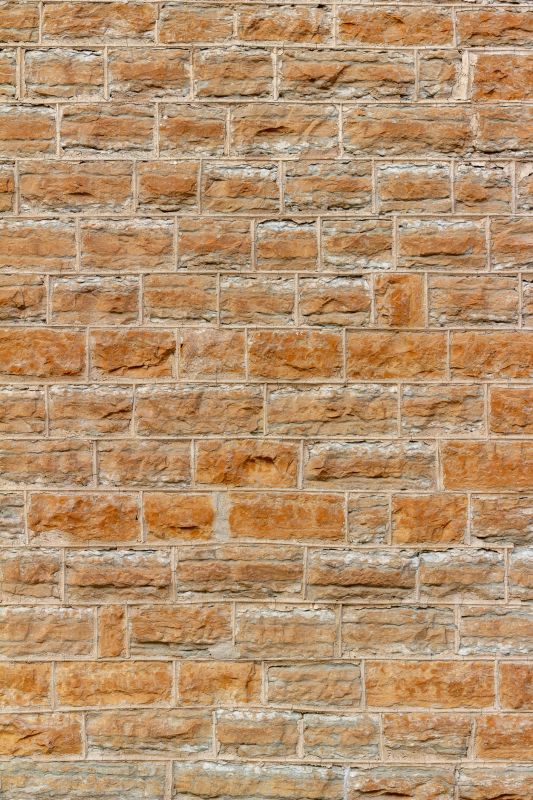
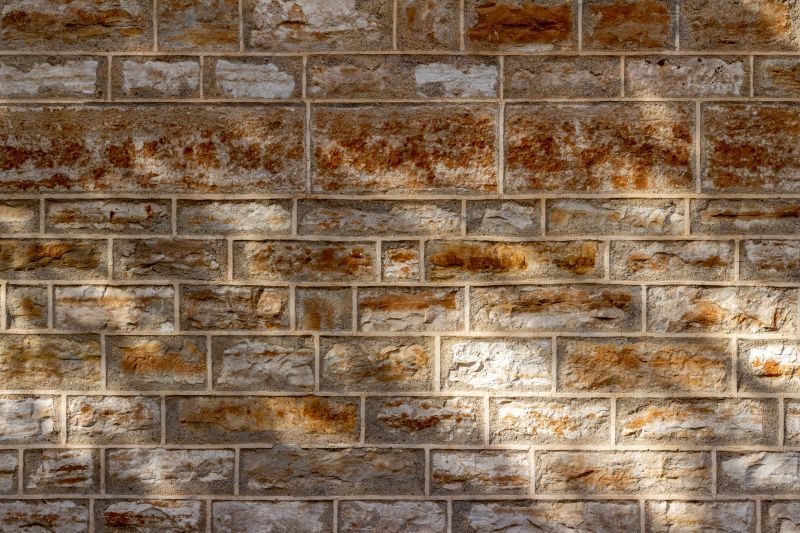
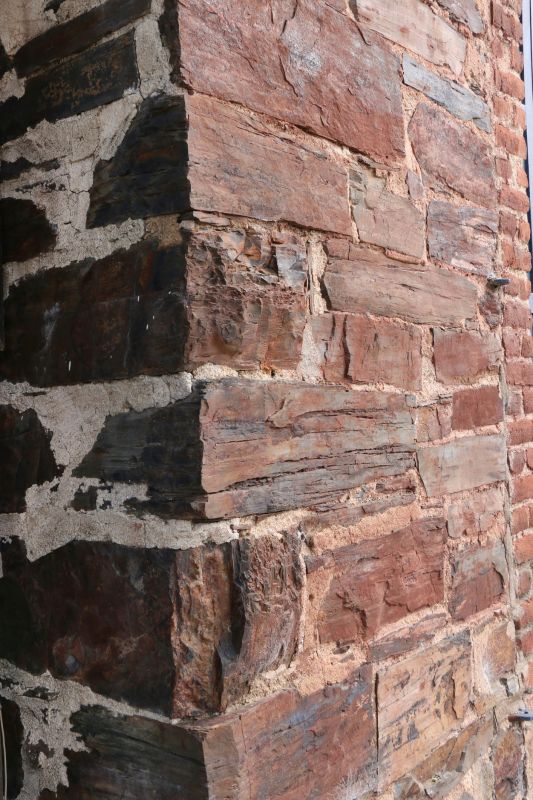
When searching for information about brick vs. stone tuckpointing for commercial projects, most people are looking to understand the fundamental differences between these two types of masonry repair and restoration. This topic often comes up when property owners or managers notice deterioration in their building’s exterior, such as crumbling mortar joints, cracking, or water infiltration. The goal is to determine which material and technique will best restore the structure’s appearance, improve durability, and maintain its value over time. Commercial properties like office buildings, retail centers, warehouses, and institutional facilities frequently require tuckpointing services, making it essential to understand how brick and stone work differently in these contexts.
The problems that lead to considering tuckpointing services generally involve aging masonry, exposure to weather elements, or structural shifts that cause mortar joints to weaken. Property owners might plan a restoration project to prevent further damage or improve the overall aesthetic of their building. In some cases, the choice between brick and stone tuckpointing can influence the longevity of the repair, the cost of materials, and the visual impact of the finished project. Local contractors who specialize in tuckpointing can assess the existing masonry, identify underlying issues, and recommend the most suitable approach based on the property’s specific needs and the type of material involved.
Properties that typically come up in discussions about brick vs. stone tuckpointing include commercial facades, historical buildings, multi-unit apartment complexes, and public infrastructure such as bridges or retaining walls. These structures often feature either brick or stone masonry, each with distinct characteristics. Brick tends to be more uniform and easier to work with, making it a popular choice for modern commercial buildings. Stone, on the other hand, is valued for its durability and aesthetic appeal, especially in older or more historic properties. Understanding these differences helps property owners and managers make informed decisions about repair strategies and ensures that the right local service providers are engaged for the specific material involved.
In practical terms, choosing between brick and stone tuckpointing impacts the scope and approach of a project. Local contractors experienced in both materials can evaluate the existing masonry, recommend appropriate repair techniques, and deliver results that preserve the building’s integrity and appearance. For property owners, understanding the key differences in materials and methods helps clarify what to expect during the restoration process. Whether dealing with a brick facade that requires mortar replacement or a stone wall needing careful matching and reinforcement, connecting with specialists who understand the nuances of each material ensures the project’s success and longevity.
Brick Restoration Projects - Local contractors experienced in brick restoration can handle tuckpointing tasks similar to those in brick vs. stone tuckpointing, ensuring structural integrity and aesthetic appeal.
Stone Masonry Repairs - Service providers specializing in stone masonry repairs possess skills and tools applicable to stone tuckpointing, which is essential for maintaining historic and commercial stone structures.
Historic Building Preservation - Preservation projects often require precise tuckpointing techniques for brick and stone, making these services relevant for those working on heritage commercial properties.
Facade Renovation Services - Professionals offering facade renovation can perform tuckpointing to improve the appearance and durability of exterior walls in commercial settings.
Mortar Repointing for Commercial Walls - Repointing services focus on restoring mortar joints in brick and stone walls, closely related to tuckpointing tasks for commercial projects.
Exterior Wall Repair Specialists - Local contractors skilled in exterior wall repairs often provide tuckpointing services that address issues similar to those in brick vs. stone tuckpointing for commercial buildings.
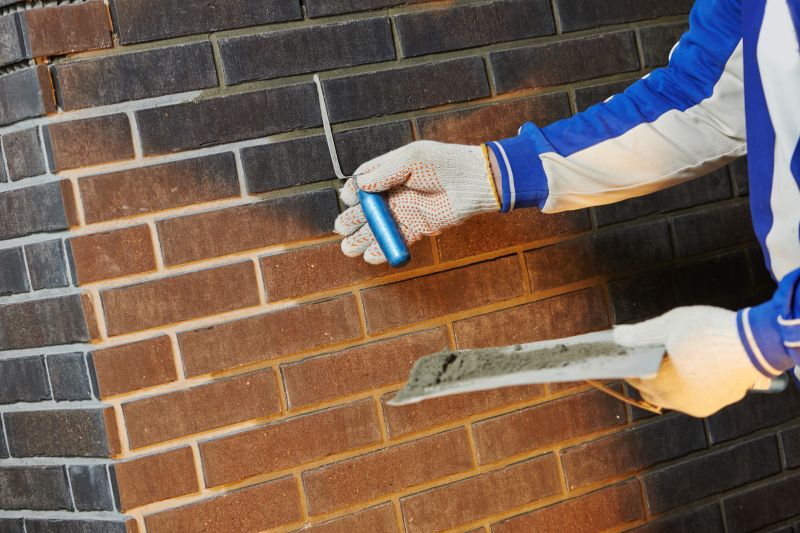
When evaluating contractors for brick vs. stone tuckpointing, it is essential to consider their experience with similar projects, particularly those involving commercial properties. A qualified service provider should have a proven track record working with the specific materials and structural requirements associated with brick and stone tuckpointing. Asking for examples of past work or references from previous clients can help determine if a contractor has successfully handled projects comparable in scope and complexity, ensuring they understand the nuances of each material and their respective repair techniques.
Clear written expectations are vital when comparing local contractors for tuckpointing services. This includes detailed descriptions of the work to be performed, the materials to be used, and the scope of the project. A reputable service provider should be transparent about their process and provide documentation that outlines what will be done and how issues such as weather delays or material choices will be addressed. Establishing these expectations early helps prevent misunderstandings and ensures that both parties share a common understanding of the project’s goals.
Effective communication and reputable references are key indicators of a dependable contractor. A service provider who communicates clearly and promptly can help clarify project details, answer questions, and address concerns throughout the process. Additionally, seeking references from past clients who have had similar work completed can provide insight into the contractor’s reliability, professionalism, and quality of work. Prioritizing contractors with strong communication skills and positive references can lead to a smoother project experience and a result that aligns with the specific needs of brick vs. stone tuckpointing for commercial projects.
Property owners often search for brick vs. stone tuckpointing: key differences for commercial projects when they are planning practical projects around their homes and businesses. Local pros provide Brick vs. Stone Tuckpointing services for everyday jobs and straightforward project options.
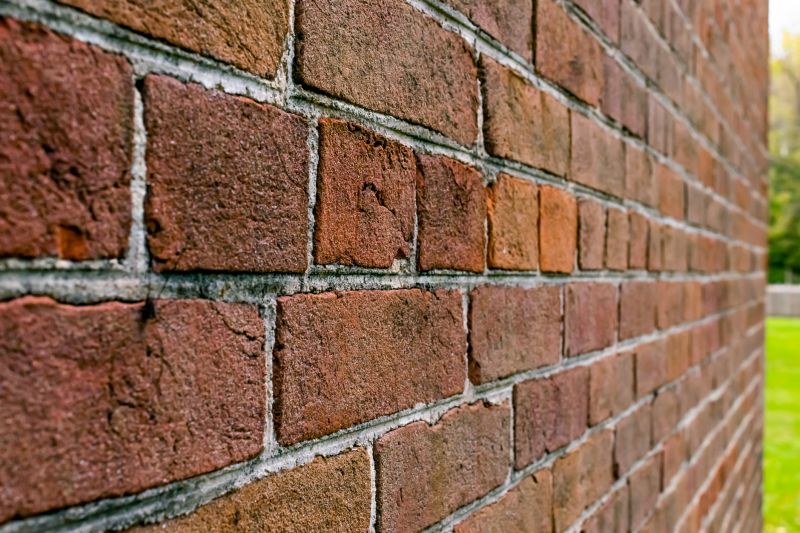
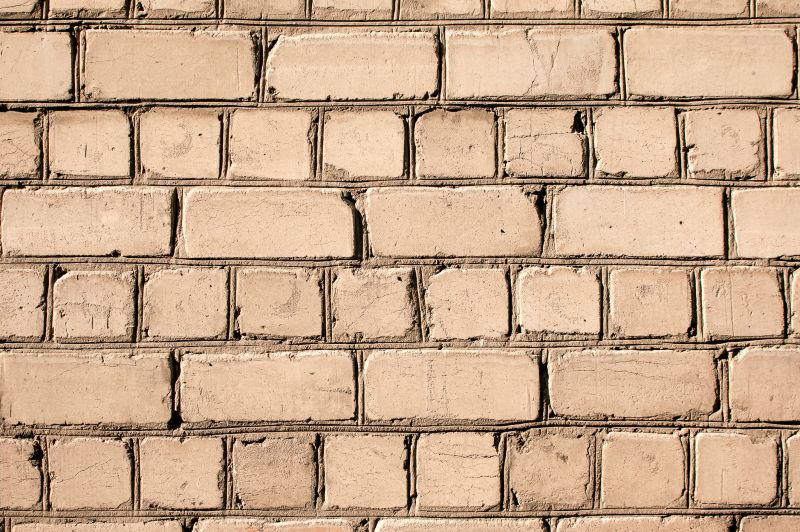
Understanding the differences between brick and stone tuckpointing can help property owners make informed decisions for their commercial buildings. Brick tuckpointing often involves repairing or restoring the mortar joints between bricks, which are common in many commercial facades. It is usually chosen for its straightforward process and ability to match existing brickwork, making it a practical solution for maintaining the appearance and integrity of brick exteriors. On the other hand, stone tuckpointing focuses on restoring mortar joints in stone structures, which tend to be more durable and require different techniques. Property owners might seek out local service providers experienced in stone work to ensure that the repairs preserve the natural look and strength of their stone surfaces.
For those managing commercial properties, selecting the right tuckpointing approach depends on the material used in the building’s construction. Local contractors specializing in brick tuckpointing are often well-versed in handling common brick structures, providing services that maintain the aesthetic and structural stability of brick facades. Conversely, service providers skilled in stone tuckpointing can address the unique needs of stone surfaces, ensuring that the natural material’s appearance and durability are preserved. Understanding these key differences can help property owners choose the appropriate services to keep their buildings looking their best and functioning properly.
What are the main differences between brick and stone tuckpointing for commercial projects? Brick tuckpointing involves repairing the mortar joints of brick walls, while stone tuckpointing focuses on restoring mortar in stone structures. The materials and techniques vary based on the masonry type, affecting the appearance and durability of the finished work. Local contractors can assess the specific needs of a project to recommend the appropriate approach. Understanding these differences helps ensure the right service is chosen for long-lasting results.
How does the choice between brick and stone affect tuckpointing techniques? The techniques differ because brick and stone require different mortar types and application methods to match their unique textures and structures. Brick tuckpointing often involves precise mortar joint filling, whereas stone tuckpointing may require specialized tools to work with irregular surfaces. Local service providers have the expertise to adapt their methods to suit each material, ensuring quality repairs.
Are there aesthetic considerations when choosing between brick and stone tuckpointing? Yes, the visual style of brick and stone structures influences the tuckpointing approach. Brick work typically offers uniformity, allowing for consistent mortar lines, while stone structures may have varied textures and sizes, requiring more customized work. Local pros can help match the mortar color and texture to preserve or enhance the building’s original appearance.
Which material requires more maintenance after tuckpointing: brick or stone? Maintenance needs can vary based on the material's exposure and condition, but generally, stone structures may require more frequent inspections due to their irregular surfaces. Proper tuckpointing by local contractors can extend the lifespan of both materials, reducing future repair needs and maintaining structural integrity.
Can local contractors handle tuckpointing for both brick and stone structures? Yes, experienced local service providers are equipped to perform tuckpointing on both brick and stone structures. They understand the specific techniques and materials needed for each type, ensuring the work is durable and visually appropriate for commercial projects.
Understanding material durability - Property owners can consider the longevity of brick versus stone tuckpointing when planning repairs for high-traffic commercial buildings, ensuring the chosen material withstands daily wear.
Matching aesthetic styles - Choosing between brick and stone tuckpointing allows property owners to align the building’s appearance with its architectural style or branding, with local contractors helping achieve the desired look.
Assessing project complexity - For large or intricate commercial projects, understanding the differences in installation and repair processes helps property owners select the most suitable tuckpointing material with the help of experienced service providers.
Evaluating maintenance needs - Property owners can plan for ongoing upkeep by understanding how brick versus stone tuckpointing impacts maintenance frequency, with local contractors providing guidance tailored to the building’s specific material choice.
If you are thinking about brick vs. stone tuckpointing: key differences for commercial projects for a property, this guide is meant to help you understand this topic, the typical project types, and how different options might fit your plans.
When you are ready, you can use the quote form on this page to share a few details about your project. From there, local pros can review the basics and follow up with options that match what you have in mind.